The Cost of Peace

God blesses those who work for peace,
for they will be called the children of God.You have heard the law that says, ‘Love your neighbor’ and hate your enemy. But I say, love your enemies! Pray for those who persecute you! In that way, you will be acting as true children of your Father in heaven. For he gives his sunlight to both the evil and the good, and he sends rain on the just and the unjust alike.
Matthew 5:9, 43-45 (New Living Translation)
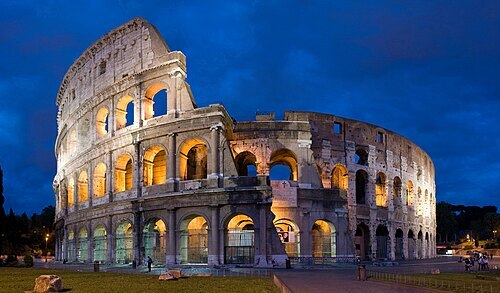
On January 1, 404 CE, Telemachus, a monk from what is now Turkey, felt called by God to go to Rome. He wasn’t sure why, but he went. After arriving in Rome, he followed the crowd and found himself at the Roman Coliseum, witnessing two gladiators engaged in a fight to the death. As they struggled against one another, the frenzied crowd cheered. Telemachus found himself both astounded and repulsed by both the violence of the gladiators and the sheer bloodlust of the spectators.
Telemachus jumped into the pit where the men were doing battle and stepped between them. As he stood there, he implored the crowd to stop this aggression, to put an end to these senseless acts of violence. He spoke on the value of human life and of God’s love for all people.
The crowd though was outraged that someone would dare to interrupt their gruesome entertainment. And they called for this interloper to be silenced, to be put to death. According to the ancient Church historian Theodoret’s account from 429, “the spectators…[were] possessed by the demon who delights in the effusion of blood.” They demanded the blood of the one who had put a stop to the cruelty they saw as entertainment and sport.
There are differing accounts of the death of Telemachus: some say he was stoned to death by the crowd there on the Coliseum floor, while others recount that he was stabbed by one of the combatants and left to bleed out in front of the crowd. Regardless of how he was killed, his death had an impact on the culture of the Roman empire. Three days later, disturbed by the violent and needless death of the monk, Emperor Honorius put an end to the gladiator games in the Roman empire.
We all want to live in peace. We all want the peace that Jesus has and will bring to us. But that peace comes with a cost. It requires that we do something more than talk, more than post blogs and Facebook statuses, more than Tweets and TikToks. It requires that we actively love our enemies, that we pray for blessings for them, and that we work to create peace with them. It can mean that we have to work counter to our own desires and nature to help facilitate the peace we desire and that God willingly and graciously provides. That is what Jesus is telling his followers in the Scripture above. That is what Paul means when writes to the Christians in Rome instructing them - to best of their ability - to live in peace with those around them. And it is what John means in 1 John 3:18 when he says to not simply say we love others, but to show it by the truth of our actions.
Peace will cost us something: our prejudices, our certainty, our desire to always be “right”, maybe even our lives as we know them, physical or otherwise.
But in the end this Peace that passes all understanding, this peace of Christ which rules in our hearts and brings us comfort, is worth the price we pay.
Grace & Peace y’all,
Blake